
Build a prospect list
Small Business Lead Generation: Strategies That Don't Break the Bank
Revision note: Reviewed audience and reading paths; corrected explicit list formatting and incomplete excerpts where present.
Small businesses can't outspend large competitors on lead generation. But with the right strategies, you can out-smart and out-hustle them. This guide covers high-impact, low-cost approaches that actually work.
The Small Business Advantage
Being small isn't just a limitation—it's an opportunity:
Agility
You can:
Test new approaches quickly
Pivot based on results
Personalize deeply
Respond to opportunities fast
Free doesn't mean ineffective. Some of the best lead generation tactics cost nothing but time.
Relationships
Personal touch matters:
Know customers by name
Provide high-touch service
Build community connections
Earn genuine referrals
Focus
Limited resources force discipline:
Target ideal customers precisely
Invest where results happen
Avoid shiny object syndrome
Master fundamentals
Authenticity
Small business stories resonate:
Founder story connection
Local ownership appeal
Personal stake visible
Community membership
Foundation: Free Lead Generation

Before spending money, maximize free opportunities:
Google Business Profile
The single most important free tool:
Setup and Optimization
Claim and verify your listing
Complete every field
Add photos regularly
Post weekly updates
Review Generation
Ask happy customers
Provide easy links
Respond to all reviews
Thank promoters publicly
For local businesses like dentists, restaurants, and beauty salons, Google Business Profile often drives more leads than paid advertising.
Social Media Presence
Organic social can work for small businesses:
Platform Selection Choose based on your customers: - B2B services: LinkedIn - Visual businesses: Instagram, Pinterest - Local services: Facebook, Nextdoor - Youth-focused: TikTok, Instagram
Content Strategy
Share what resonates:
Behind-the-scenes
Customer stories
Tips and advice
Local involvement
Engagement Approach
Social works through engagement:
Respond to comments
Join conversations
Support other businesses
Be consistently present
Personal Network
Your existing network is valuable:
Announce Your Business
Let everyone know:
Social media announcements
Email to contacts
Conversation mentions
LinkedIn updates
Ask for Introductions
Request specific connections:
"Do you know anyone who..."
"Could you introduce me to..."
"Who should I talk to about..."
Offer to Help
Give before asking:
Share their content
Make introductions
Provide advice
Support their businesses
Content Marketing
Create valuable content that attracts prospects:
Blog Strategy
Answer questions your customers ask:
How-to guides
FAQ articles
Industry news
Local information
SEO Benefits
Content builds search visibility:
Target relevant keywords
Create helpful resources
Earn backlinks naturally
Build authority over time
Distribution
Don't just publish—distribute:
Share on social media
Send to email list
Post in communities
Answer questions with links
Low-Cost Lead Generation
When you have some budget, invest wisely:
Email Marketing
Extremely cost-effective:
Build Your List
Collect emails everywhere:
Website signups
Customer transactions
Event attendance
Business cards received
Nurture Consistently
Stay top of mind:
Weekly or bi-weekly sends
Value-focused content
Personal tone
Clear calls to action
Cost: Free to $50/month for most small businesses.
Networking
Time investment, low financial cost:
Join Organizations
Chamber of commerce
Industry associations
Business networking groups
Community organizations
Attend Events
Local business events
Industry meetups
Community gatherings
Online networking
Follow Up
Networking only works with follow-up:
Connect on LinkedIn
Send personal emails
Schedule coffee meetings
Provide value first
Cost: Membership fees ($200-1000/year typically) plus time.
Referral Programs
Turn customers into salespeople:
Simple Programs
You don't need software:
$25 gift card for referrals
Discount on next service
Free product or upgrade
Public recognition
Making It Work
Success requires:
Asking consistently
Making it easy
Following up on referrals
Thanking referrers
Cost: Only pay when referrals convert.
Strategic Partnerships
Leverage others' audiences:
Partner Types
Complementary businesses
Upstream/downstream services
Shared customer base
Non-competing vendors
Partnership Activities
Cross-referrals
Co-marketing content
Joint events
Shared promotions
For example, a real-estate-agent might partner with: - Mortgage brokers - Interior designers - Contractors - Cleaning services
Cost: Time to build relationships; potentially shared revenue.
Local SEO
Capture local search traffic:
Citation Building
Get listed in directories:
Yelp
Yellow Pages
Industry directories
Local business lists
Local Content
Create location-relevant content:
Neighborhood guides
Local event coverage
Community involvement
Area-specific services
Cost: Time; some directories have fees.
Measured Paid Advertising
Track everything. You can't improve what you don't measure.
When ready for paid ads, start small and scale what works:
Google Ads
Target people searching for what you offer:
Start Small
$500-1000/month budget
Limited keywords
Geographic targeting
Track conversions carefully
Best Practices
Local targeting
Specific keywords
Strong landing pages
Conversion tracking
Cost: Variable; $10-50 per lead typical for local services.
Social Media Ads
Reach targeted audiences:
Facebook/Instagram
Local targeting
Demographic targeting
Interest targeting
Retargeting visitors
LinkedIn (for B2B)
Job title targeting
Industry targeting
Company size targeting
Higher cost but qualified
Cost: $5-20 per lead possible with good targeting.
Retargeting
Re-engage website visitors:
How It Works
Pixel tracks visitors
Ads follow them elsewhere
Reinforces your brand
Captures reconsidering prospects
Cost: Typically $2-10 per click; high conversion rates.
Maximizing ROI on Limited Budget

Track Everything
Know what works:
Where leads come from
Which sources convert
Cost per customer
Lifetime value by source
Double Down on Winners
When something works:
Invest more resources
Optimize further
Scale systematically
Document processes
Cut Losers Quickly
When something doesn't work:
Stop spending
Analyze why
Learn lessons
Try alternatives
Focus on High-Value Customers
Some customers are worth more:
Larger projects
Repeat business
Referral generators
Lower support needs
Target and retain high-value customers.
Lead Generation by Business Type
Local Service Businesses
(Plumbers, Electricians, HVAC contractors)
Priority Strategies 1. Google Business Profile 2. Review generation 3. Referral program 4. Google Local ads
Professional Services
(Accountants, Lawyers, Consultants)
Priority Strategies 1. LinkedIn presence 2. Referral relationships 3. Content marketing 4. Speaking and networking
Retail and Hospitality
(Restaurants, Beauty salons, Fitness centers)
Priority Strategies 1. Social media (Instagram, Facebook) 2. Google Business Profile 3. Email marketing 4. Local partnerships
Healthcare Providers
(Dentists, Chiropractors, Veterinarians)
Priority Strategies 1. Google Business Profile and reviews 2. Referral programs 3. Community involvement 4. Educational content
Time Management for Lead Generation
Small business owners have limited time:
Weekly Rhythm
Daily (15-30 min)
Check and respond to inquiries
Monitor reviews
Engage on social media
Weekly (2-3 hours)
Create content (blog, social)
Follow up with leads
Network and outreach
Monthly (half day)
Review metrics
Plan next month
Optimize campaigns
Delegation Options
As you grow:
Virtual assistants for admin
Freelancers for content
Agencies for advertising
Tools for automation
Automation
Use tools to save time:
Email automation
Social media scheduling
CRM reminders
Form capture
Common Small Business Mistakes
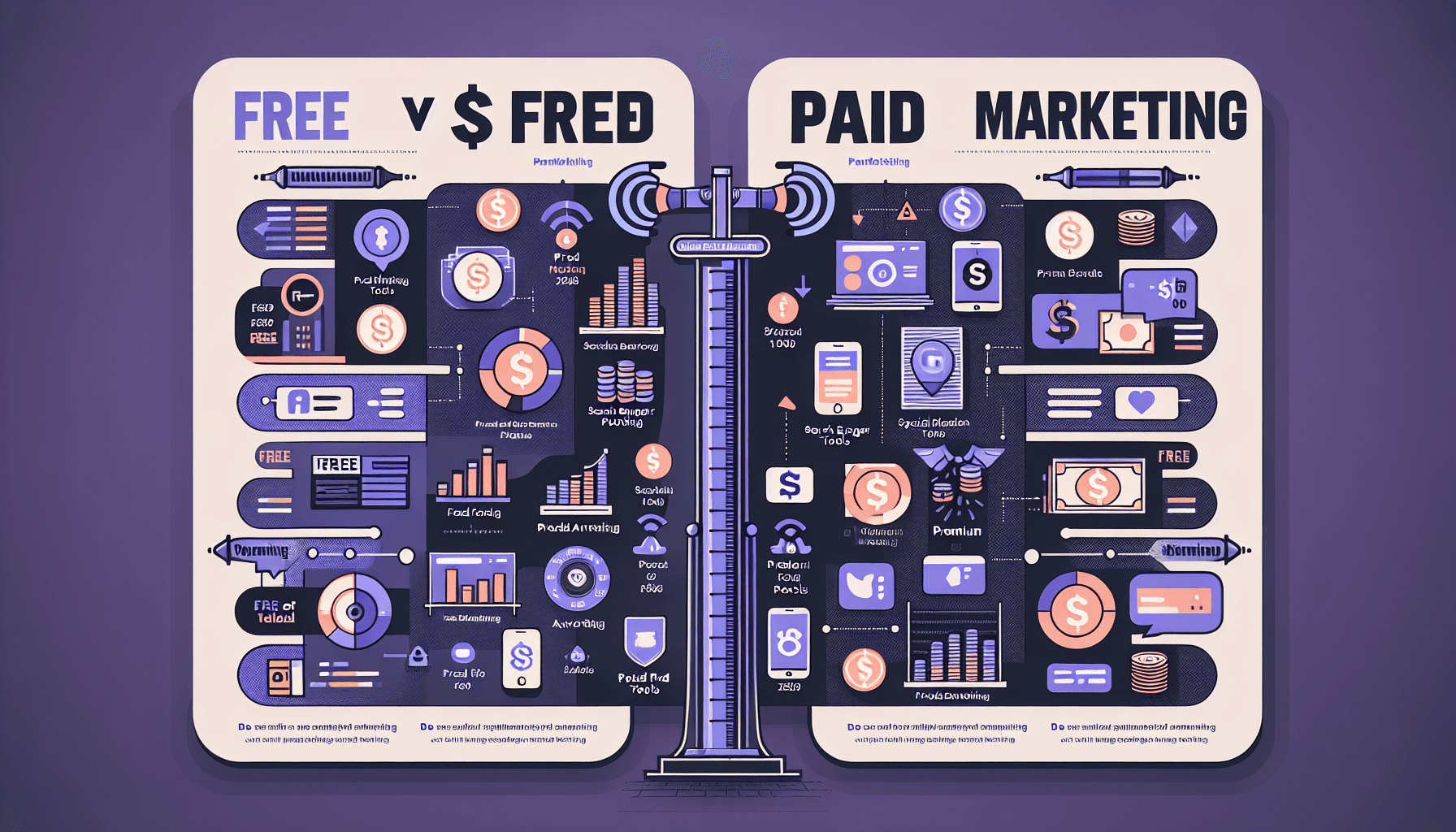
💡 Pro Tip: Before spending money on ads, exhaust free options like Google Business Profile optimization, networking, and referral programs.
Trying Everything at Once
Problem: Spreading too thin means nothing works well.
Solution: Pick 2-3 strategies. Master them before adding more.
Inconsistency
Problem: Start-stop marketing yields start-stop results.
Solution: Small consistent efforts beat occasional big pushes.
Copying Big Competitors
Problem: Their strategies require their budgets.
Solution: Use small business advantages (personal touch, agility).
Ignoring Data
Problem: Can't improve what you don't measure.
Solution: Track source of every lead. Calculate cost per customer.
Short-Term Thinking
Problem: Give up before strategies mature.
Solution: SEO, content, and relationships take months. Persist.
Building for Growth
As your business grows:
Document What Works
Create systems:
Standard processes
Templates and scripts
Training materials
Performance benchmarks
Build Lead Generation Assets
Invest in long-term value:
Content library
Email list
Review portfolio
Partner network
Plan for Capacity
Lead generation should match capacity:
Track capacity utilization
Forecast demand
Plan hiring
Scale systematically
Small businesses become big businesses through consistent, smart lead generation. Start with free and low-cost strategies, measure what works, and scale what succeeds.
For more guidance, check out our articles on building a lead engine and measuring lead generation success.